
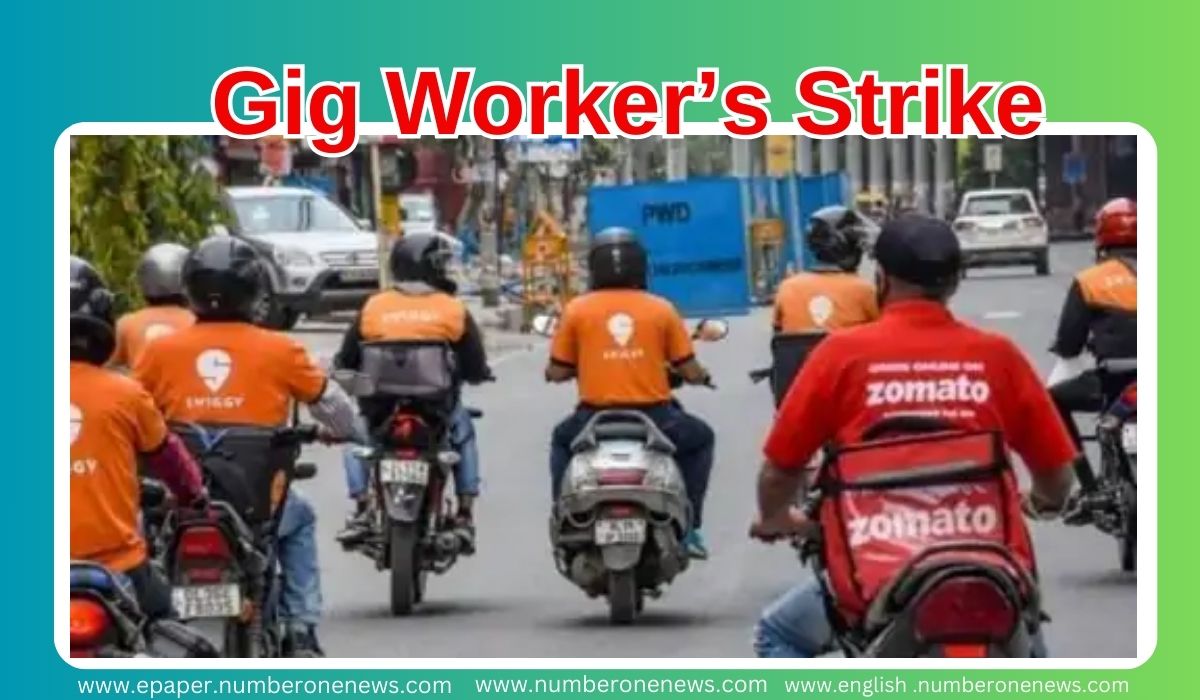
Gig workers across India have announced a nationwide strike on December 31, which is expected to impact delivery services of major platforms such as Swiggy, Zomato, Blinkit, Flipkart, Amazon, Zepto, and other e-commerce companies. According to the Telangana Gig and Platform Workers Union and the Indian Federation of App-Based Transport Workers (IFAT), gig workers are protesting against worsening working conditions, declining incomes, lack of safety, and absence of social security.
The unions stated that gig workers have urged both the Central and State governments to introduce proper regulations to control platform-based companies. In a statement released by the workers, reference was also made to a strike held on December 25. However, the actual impact of that protest remains unclear. Against this backdrop, the announcement of yet another strike within a short span has drawn significant attention.
Gig Workers Strike: What Are the Key Demands?
Gig workers have put forward nine major demands, including:
-
Implementation of a fair and transparent wage structure.
-
Immediate discontinuation of the 10-minute delivery model, citing safety concerns.
-
Stoppage of ID blocking and penalties without due process.
-
Provision of adequate safety support and clear protective measures.
-
No discrimination based on algorithm-driven systems; equal work opportunities for all.
-
Platforms and customers must treat workers with dignity and respect.
-
No denial of rest breaks and no work beyond prescribed working hours.
-
Strong technical and app-based support, especially for payment and routing issues.
-
Access to social security benefits such as health insurance, accident coverage, and pension.
Who Are Gig Workers?
Gig workers are individuals who are engaged on a task-based or payment-per-job basis rather than being permanent employees. These workers often do not stay with a single company for long periods and usually lack job security.
There are five major categories of gig workers:
-
Independent contract workers
-
Workers engaged through online platforms
-
Employees hired via contracting agencies
-
On-call workers available for specific tasks
-
Temporary or short-term workers
Related Information: Growing Debate on Gig Worker Rights
In recent years, gig workers in India have repeatedly raised concerns over low pay, rising fuel costs, algorithmic control, and lack of legal protection. While the Code on Social Security, 2020 recognises gig and platform workers as a separate category, implementation of benefits has been slow.
Several states, including Rajasthan and Karnataka, have announced plans for gig worker welfare boards, but unions say nationwide enforcement and accountability of platform companies are still lacking.
With year-end demand expected to be high, the December 31 strike could significantly disrupt deliveries, while also intensifying the ongoing debate over gig economy regulation in India.