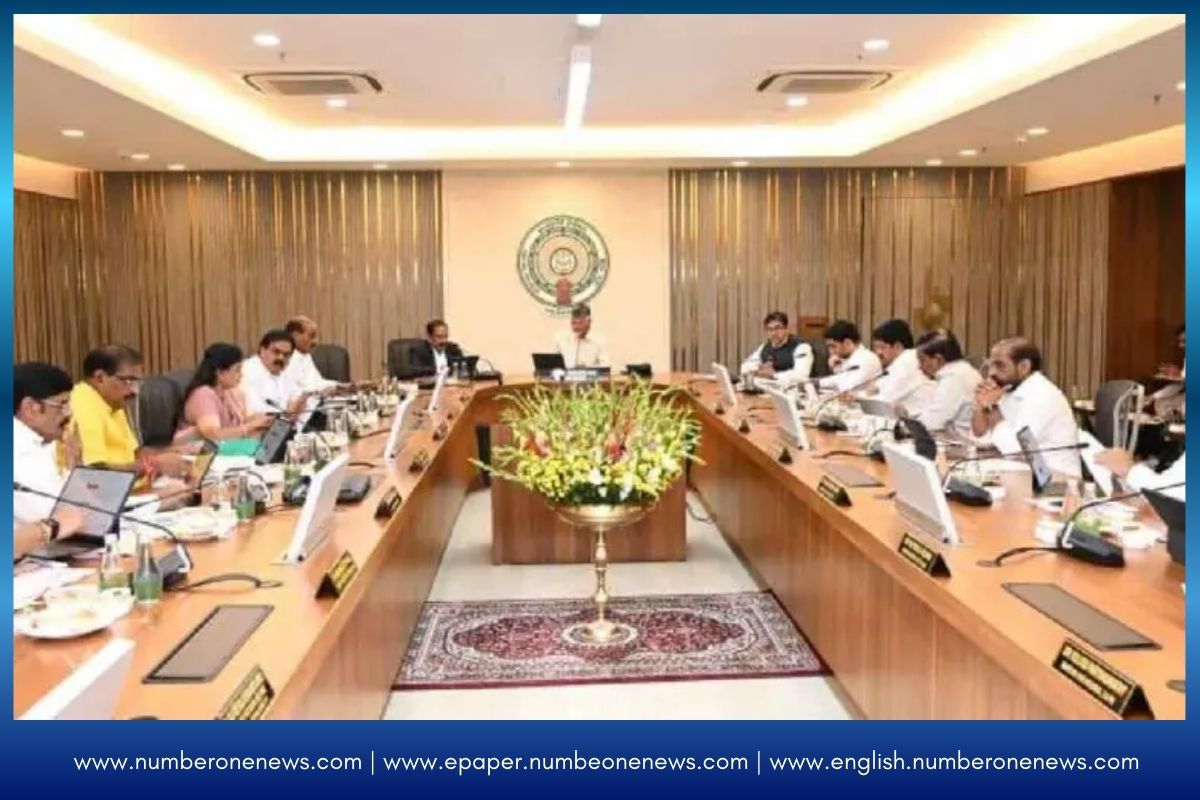
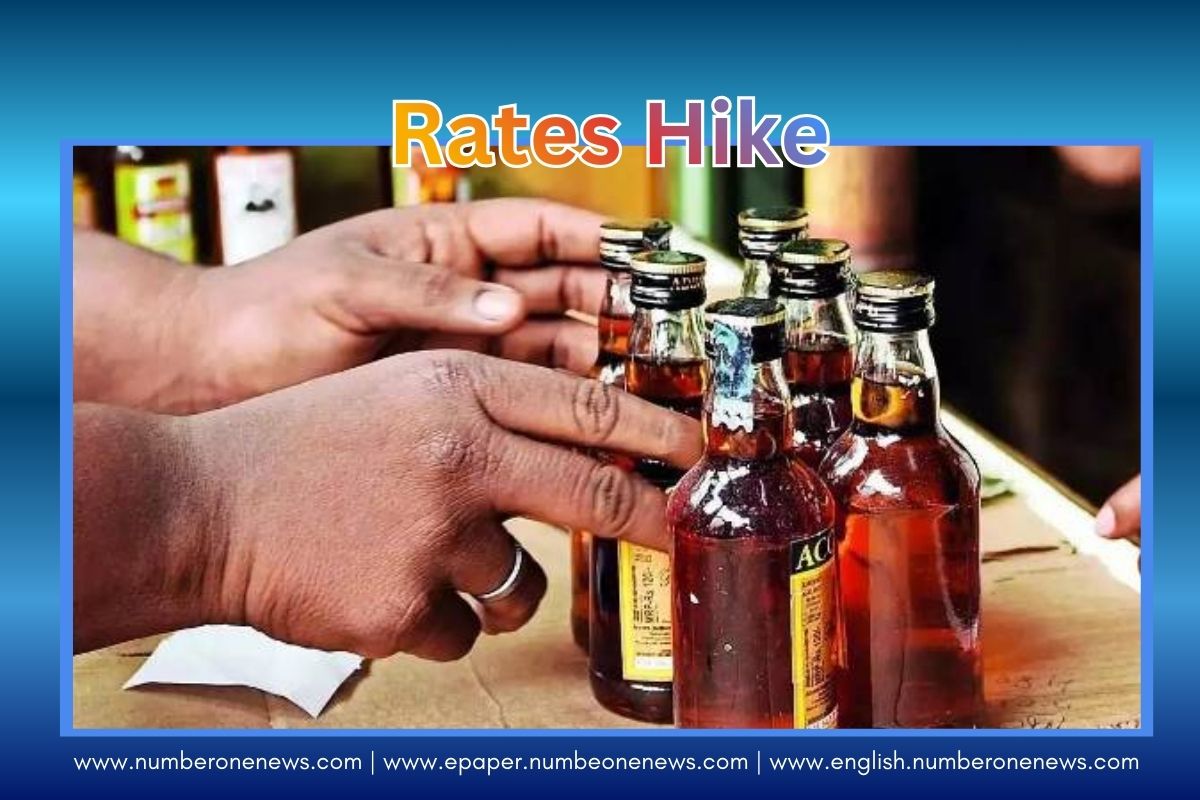
The Andhra Pradesh government has decided to scrap the Additional Retail Excise Tax (ARET) imposed on bars, following approval from the state Cabinet. The decision, taken in Amaravati, brings major changes to liquor pricing, retailer margins, and the establishment of microbreweries across the state. Officials estimate that these measures together could generate an additional ₹506 crore in revenue for the government.
According to officials, ARET was withdrawn to remove price differences between bars and liquor retail shops. The government acknowledged that ending this tax would lead to a revenue loss of nearly ₹340 crore. To offset this shortfall and also improve overall collections, the Cabinet approved a revision in the Maximum Retail Price (MRP) of liquor bottles.
Under the new policy, all liquor bottle sizes will see a ₹10 increase in MRP, except for ₹99 MRP (180 ml) bottles, as well as IMFL, beer, wine, and ready-to-drink (RTD) products, which are exempted from the hike. Officials said the price rise would have only a limited impact on consumers while ensuring steady income for the state exchequer.
At the same time, the Cabinet approved a proposal to increase retailer margins by one percent on MRP for liquor shop license holders. While this step is expected to provide some relief to retailers, it may slightly reduce government revenue. However, officials believe the overall impact of all changes combined will remain positive for state finances.
Another key decision relates to tourism and hospitality. The government has allowed the setting up of microbreweries in three-star and higher-category hotels located at least five kilometres outside municipal corporation limits. Authorities said this move aims to encourage tourism, promote controlled liquor production, and create new business opportunities under a regulated framework.
Officials explained that the broader objective behind these reforms is to ensure uniform liquor pricing across shops and bars. By removing price disparities, the government hopes to reduce confusion among consumers and bring greater transparency to liquor sales. The changes are also expected to simplify pricing structures and improve monitoring of the sector.
The revised policy reflects the government’s attempt to balance revenue needs with market stability. While consumers may see a small increase in prices for certain products, authorities say the measures are designed to strengthen regulation, support retailers, and boost tourism-related investments in the long run.