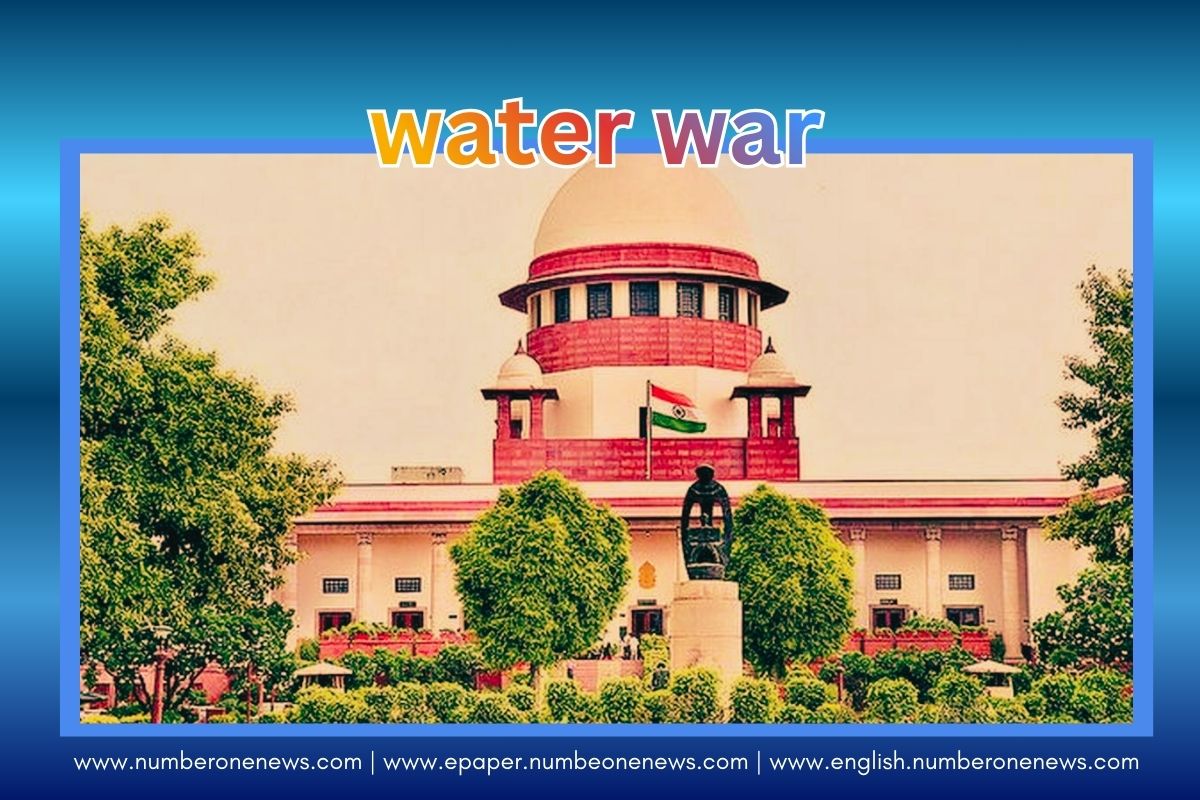
A fresh water dispute has emerged between Telangana and Andhra Pradesh, with the Telangana government strongly opposing Andhra Pradesh’s efforts to divert nearly 200 TMC of water from the Godavari River to the Krishna basin. The issue is expected to reach the Supreme Court, as Telangana prepares to legally challenge the proposed works being taken up in Andhra Pradesh.
The Telangana government has raised serious objections to Andhra Pradesh’s plan, arguing that the diversion of Godavari water will severely affect irrigation and drinking water needs in several Telangana districts located in the Godavari basin. Telangana officials say the move could lead to long-term water shortages and disturb the existing balance of river water usage between the two states.
According to Telangana, Andhra Pradesh has begun works without obtaining mandatory legal approvals or preparing a Detailed Project Report (DPR). The state alleges that such actions violate established procedures and undermine the regulatory framework governing inter-state river waters. Telangana also claims that Andhra Pradesh is ignoring the conditions laid down in the Bachawat Tribunal Award, which governs the sharing and usage of Krishna river waters.
Another key demand from Telangana is related to the Polavaram project. The state has urged that the project be strictly limited to its originally approved design and capacity. Telangana is seeking a halt to any expansion or additional works, stating that such changes could have adverse downstream and upstream impacts, particularly within its own territory.
The Telangana government has decided to pursue the case with strong legal backing. Senior advocate Abhishek Manu Singhvi is expected to represent the state in court. Chief Minister Revanth Reddy has already held detailed consultations with legal experts to prepare arguments and documents for the case.
In response, the Andhra Pradesh government has rejected Telangana’s claims and termed the legal move as politically motivated. Andhra Pradesh argues that it is only diverting excess floodwater that would otherwise flow unused into the sea. Officials maintain that the project is intended to improve water availability and does not harm the interests of neighbouring states.
Anticipating legal action, Andhra Pradesh has already filed a caveat in the Supreme Court to ensure that no interim orders are passed without hearing its side. The state will be represented by senior advocate Mukul Rohatgi, who is expected to counter Telangana’s allegations and defend the legality of the project.
Meanwhile, the role of the central government has added another layer of uncertainty. The Union Ministry of Jal Shakti has constituted a high-level committee to examine the dispute and suggest solutions. It remains unclear whether the Supreme Court will issue a stay on the ongoing works in Andhra Pradesh or wait for the committee’s findings before taking further action.